ROMDIEM WP5 Campaign: Bringing Roma Holocaust Remembrance into Communities Across Europe
Between June and August 2026, the ROMDIEM consortium implemented Work Package 5 – “THE CAMPAIGN”, a coordinated series of physical awareness-raising activities across Belgium, Bulgaria, Greece, Hungary, Italy, Serbia and Slovakia. The campaign marked an important stage in the project, moving from research, testimonies, documentary production and dissemination towards direct engagement with communities and the wider public.
The central objective of WP5 was to increase awareness of the Roma Holocaust, strengthen the visibility of Roma historical experiences and ensure that Roma voices and memories are recognised as an integral part of European collective remembrance. At the same time, the campaign connected historical persecution with contemporary challenges, including antigypsyism, discrimination, stereotypes, hate speech, exclusion, human rights and social inclusion.
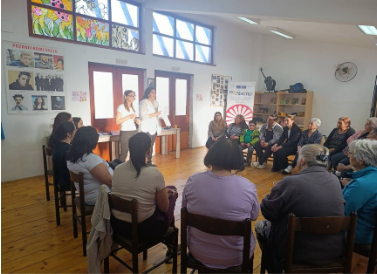
Rather than applying one identical event format in every country, the ROMDIEM partners followed a common campaign framework while adapting their activities to national and local contexts. This resulted in a rich and diverse programme of documentary screenings, public discussions, community workshops, youth activities, exhibitions, testimony-based sessions, artistic and creative workshops, storytelling, roundtables and facilitated reflection.
Greece: Five Days of Memory, Art and Dialogue
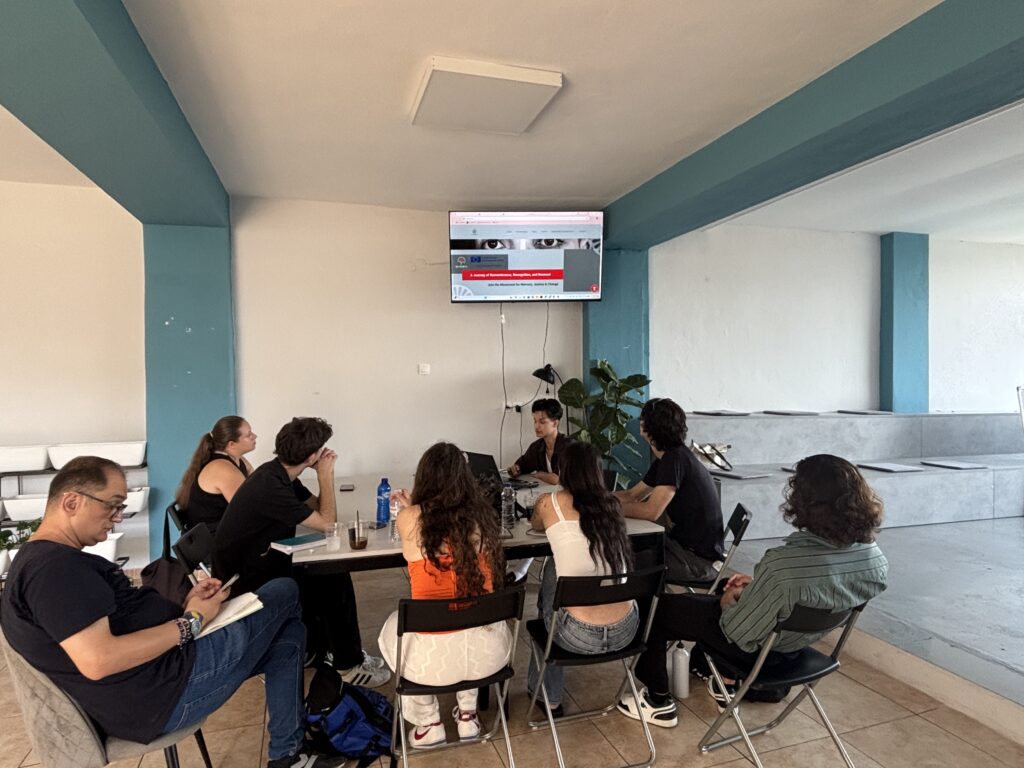
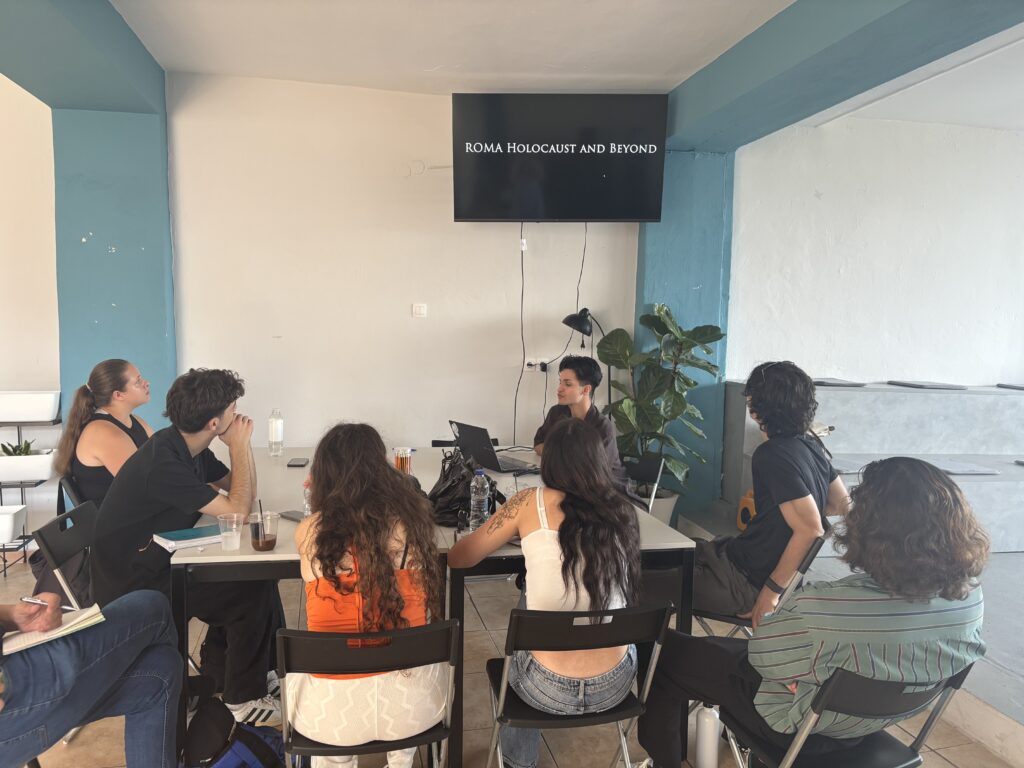
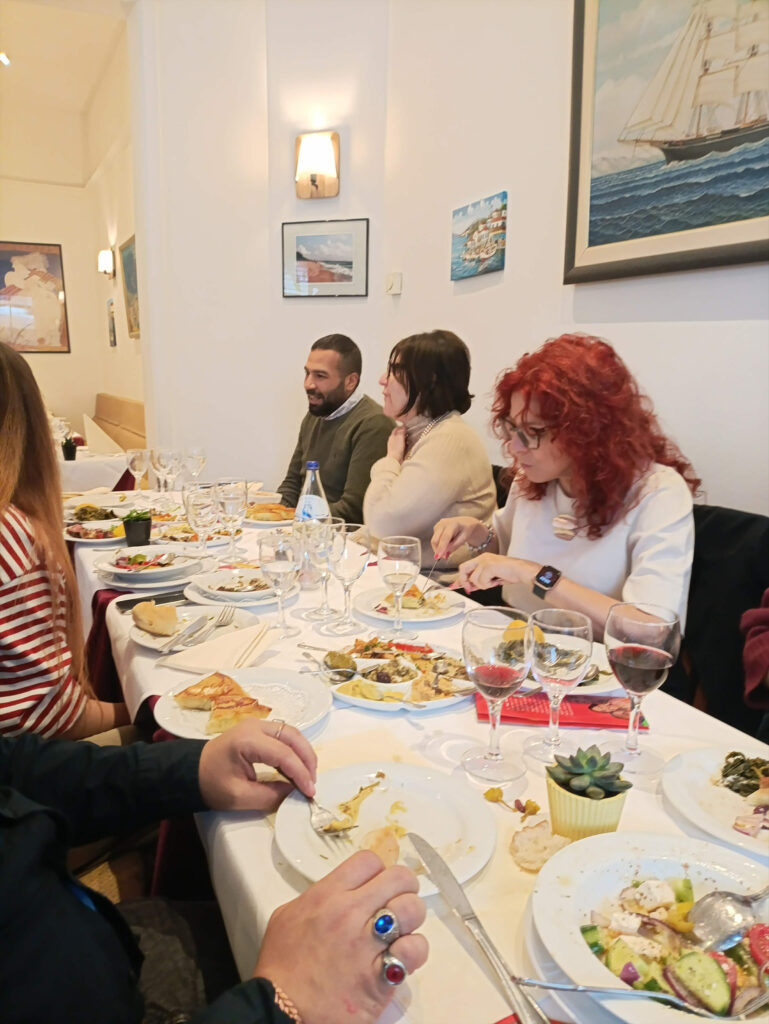
In Greece, CUBE NGO implemented a five-day ROMDIEM campaign from 1 to 5 June 2026 at WEHUB in Thessaloniki, engaging 40 participants.
The programme was structured around different dimensions of remembrance. Participants were introduced to the historical background of the Roma Holocaust, followed by activities focusing on personal testimonies and storytelling, documentary and audiovisual remembrance, artistic expression and community dialogue.
The campaign encouraged participants to move beyond the passive reception of historical information and engage actively with questions of memory, identity, discrimination and social responsibility. The final activities connected historical remembrance with present-day manifestations of antigypsyism and encouraged participants to reflect on the role of education, culture and civil society in challenging discrimination.
Bulgaria: Community-Based Awareness and Creative Participation
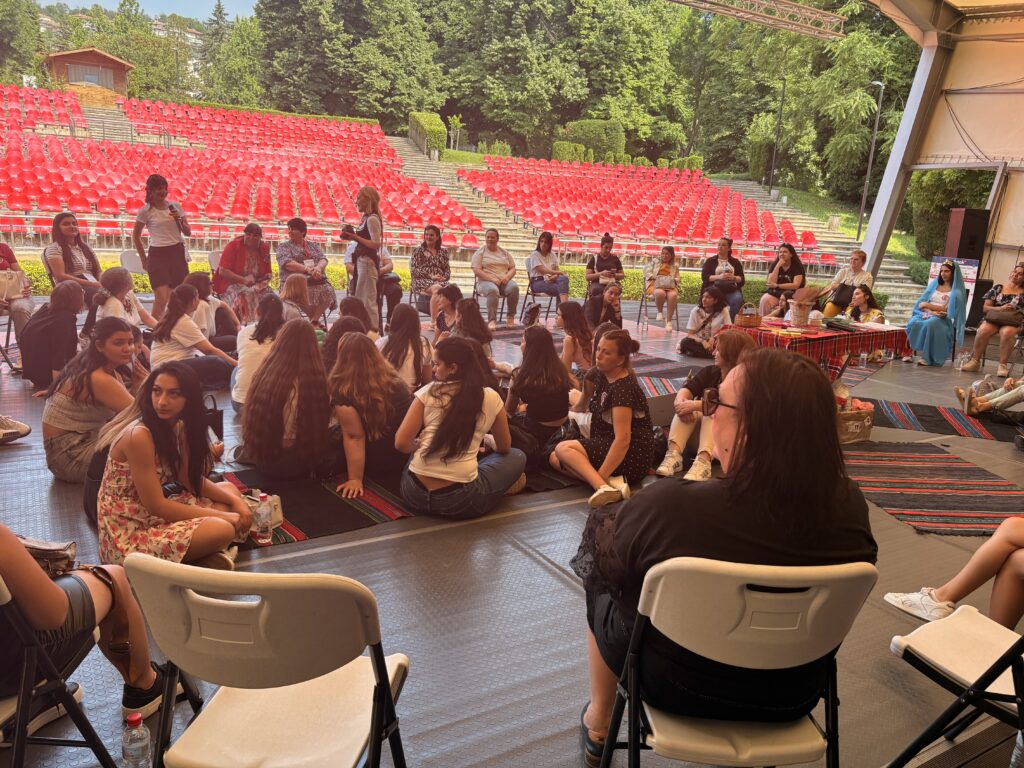
OECON GROUP Bulgaria organised five awareness-raising events between June and July 2026, directly engaging 42 participants.
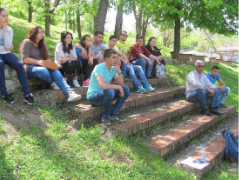
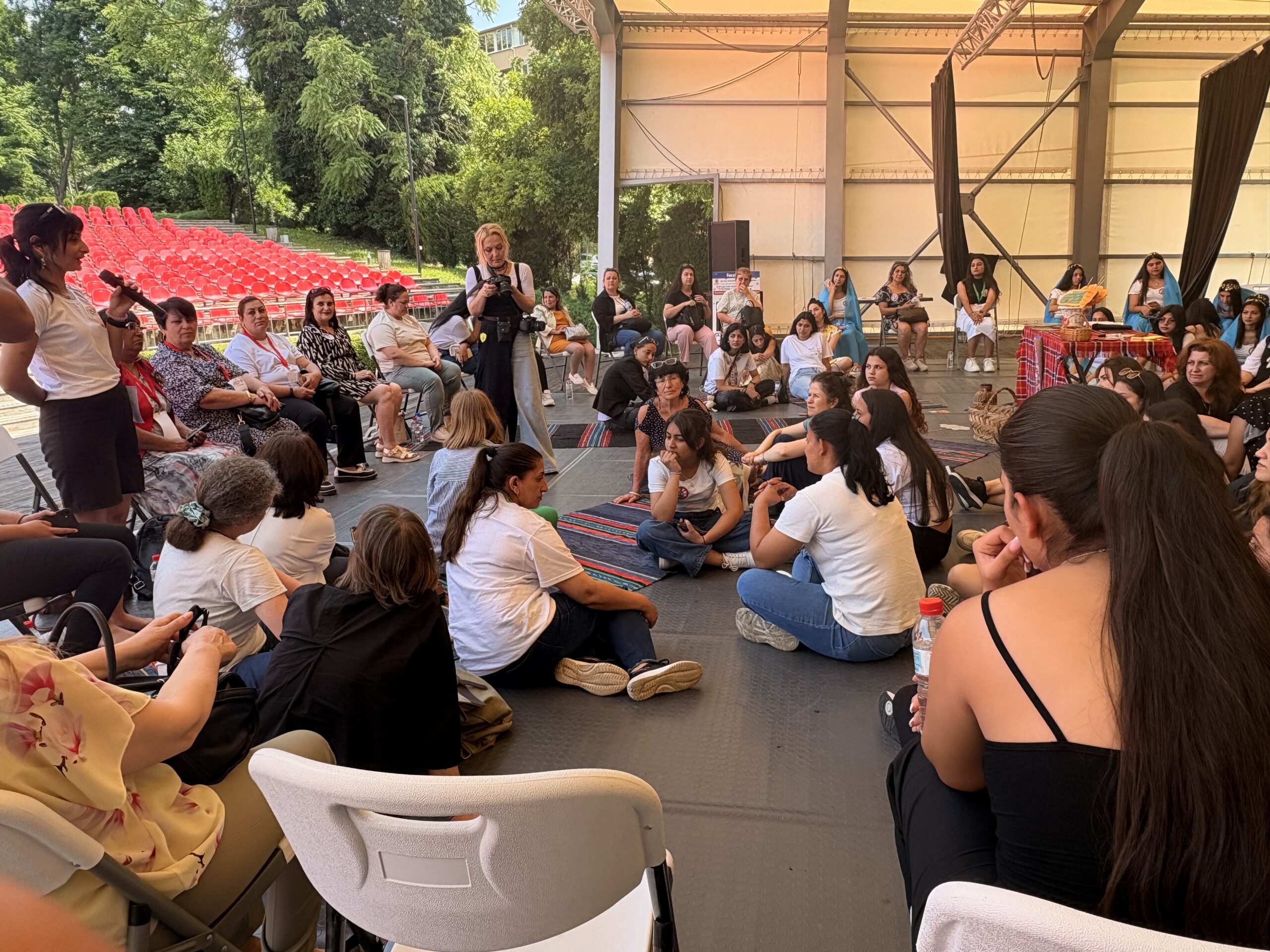
The first two activities took place on 5 and 6 June in Veliko Tarnovo, in connection with the 2026 “Open Heart” Children’s Roma Festival organised by the Center for Interethnic Dialogue and Tolerance “Amalipe”. ROMDIEM contributed through an informational workshop on Roma identity, traditions, history and cultural heritage, together with documentary material presenting authentic Roma stories and experiences.
A third activity, organised in Blagoevgrad on 7 June, focused on the realities and challenges experienced by Roma youth in contemporary society, connecting historical discrimination with present-day stereotypes and exclusion.
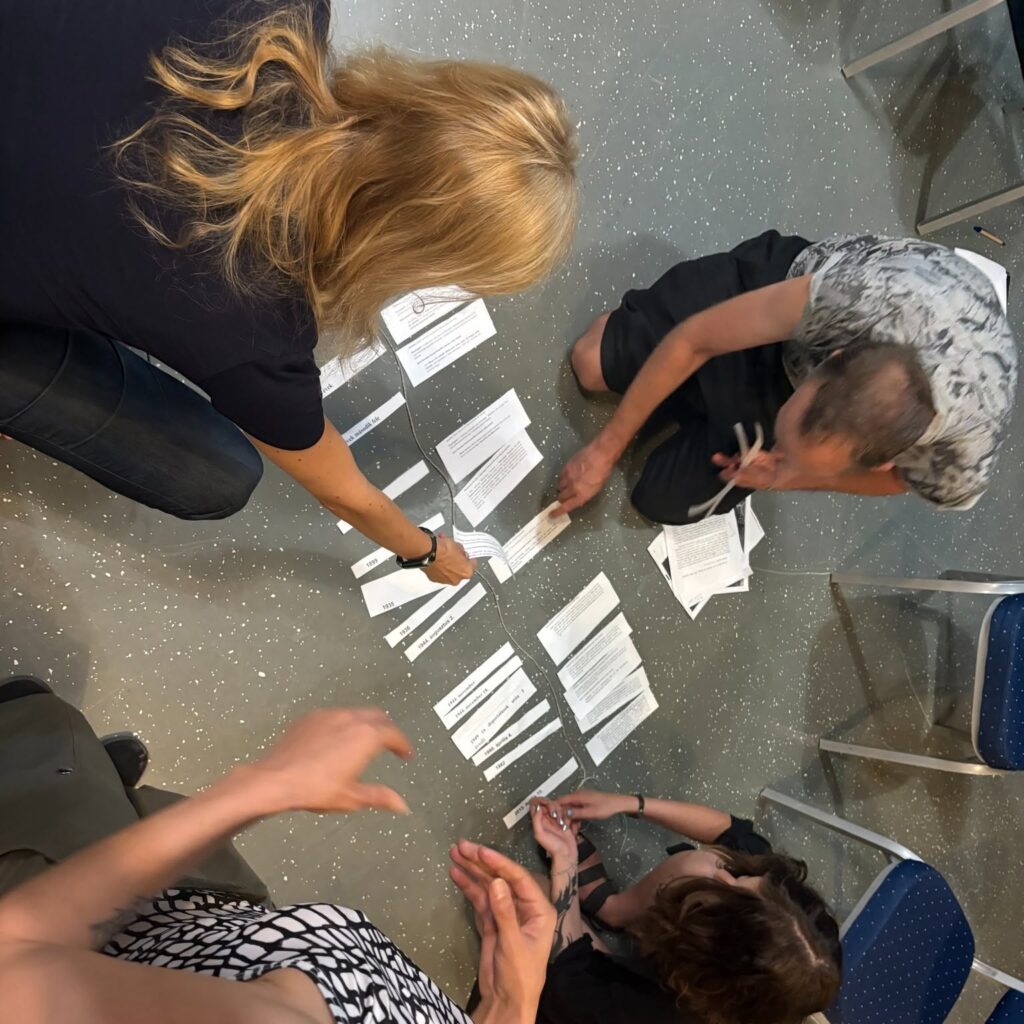
The campaign continued on 23 July with a creative collage-making workshop centred on remembrance. Participants worked with photographs, words and other visual elements to co-create an artistic piece expressing themes such as memory, dignity, identity, persecution, resilience and solidarity.
The final event, held on 24 July, presented ROMDIEM results including the documentary, testimonies and White Paper to the CARITAS Vitania community.
Through this diversity of formats, the Bulgarian campaign demonstrated how historical remembrance can be combined with culture, creativity and community dialogue.
Belgium: Artistic Remembrance and the New European Bauhaus Festival
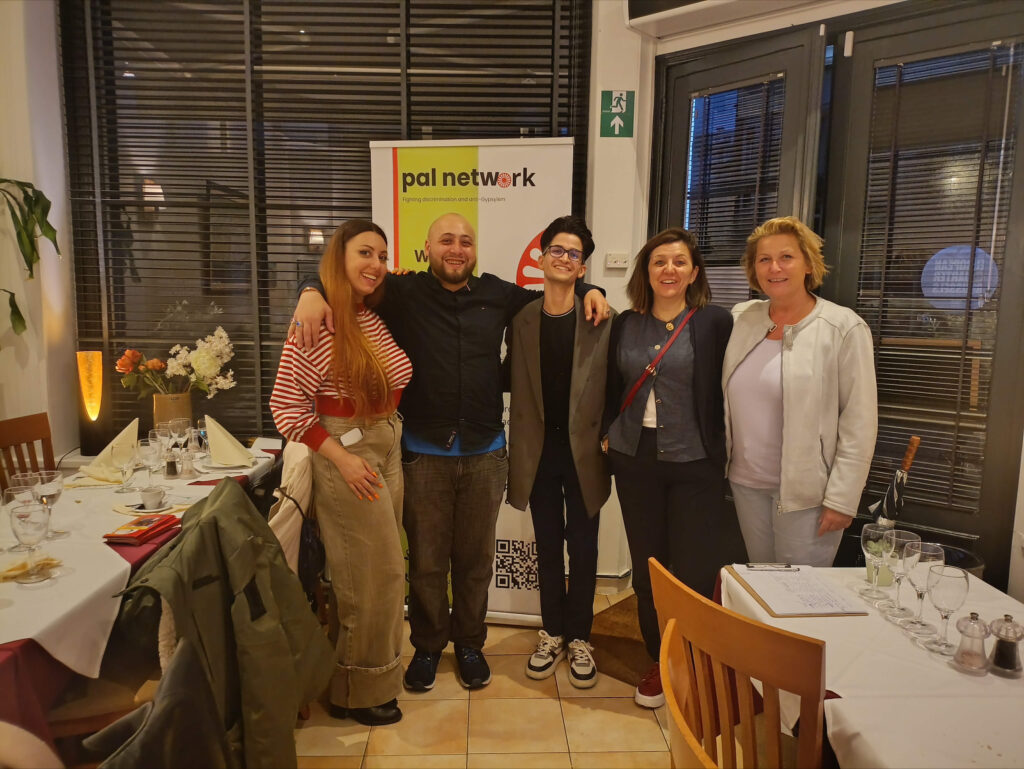
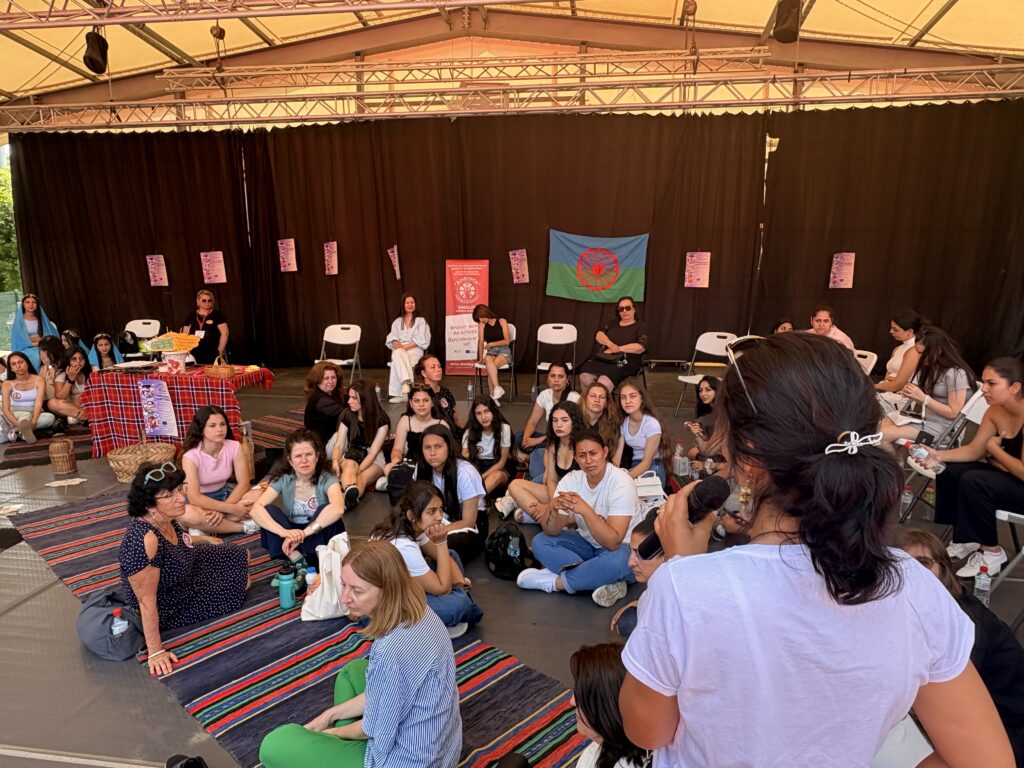
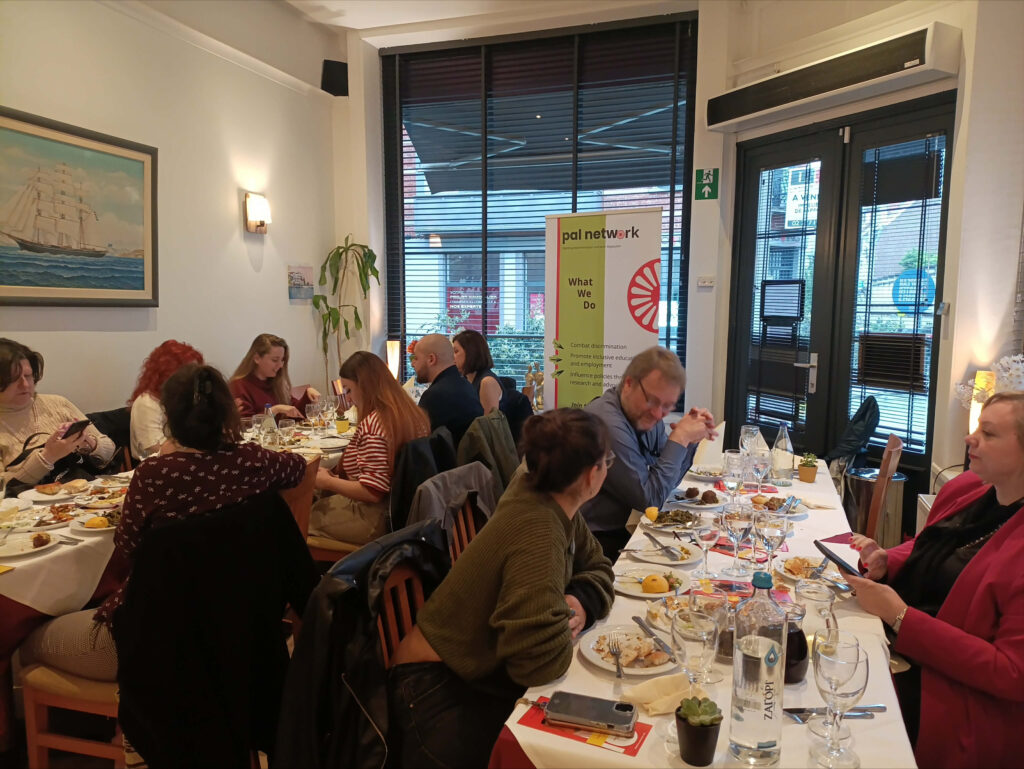
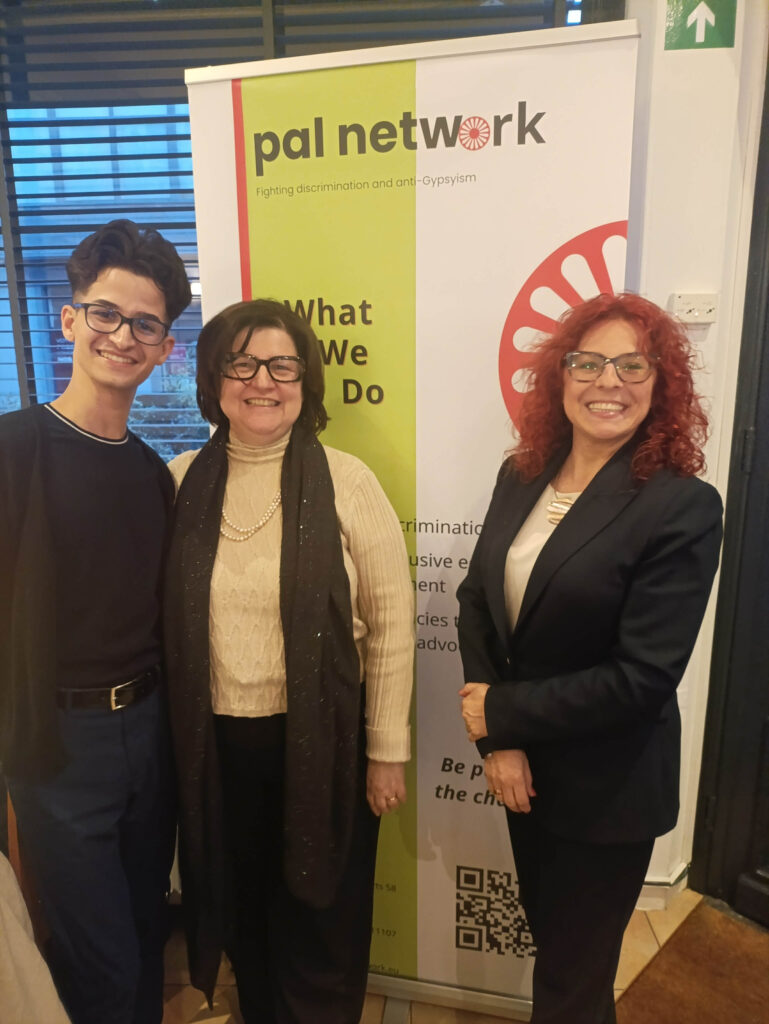
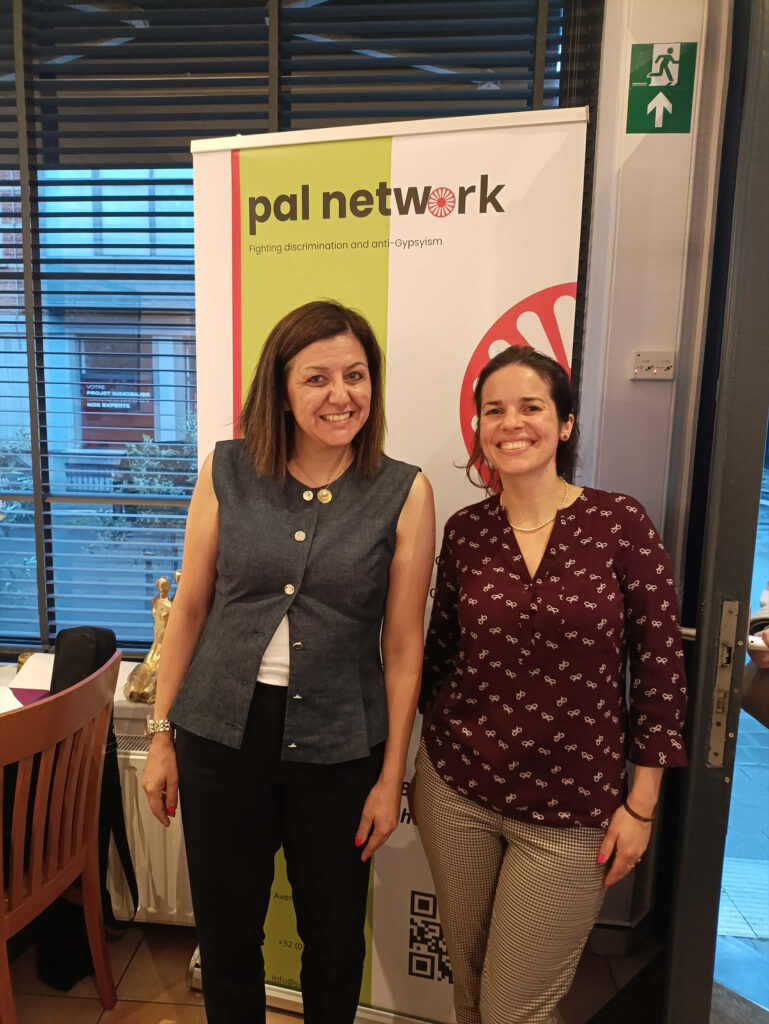
The PAL Network campaign took place in Brussels from 9 to 13 June 2026, directly involving 55 participants.
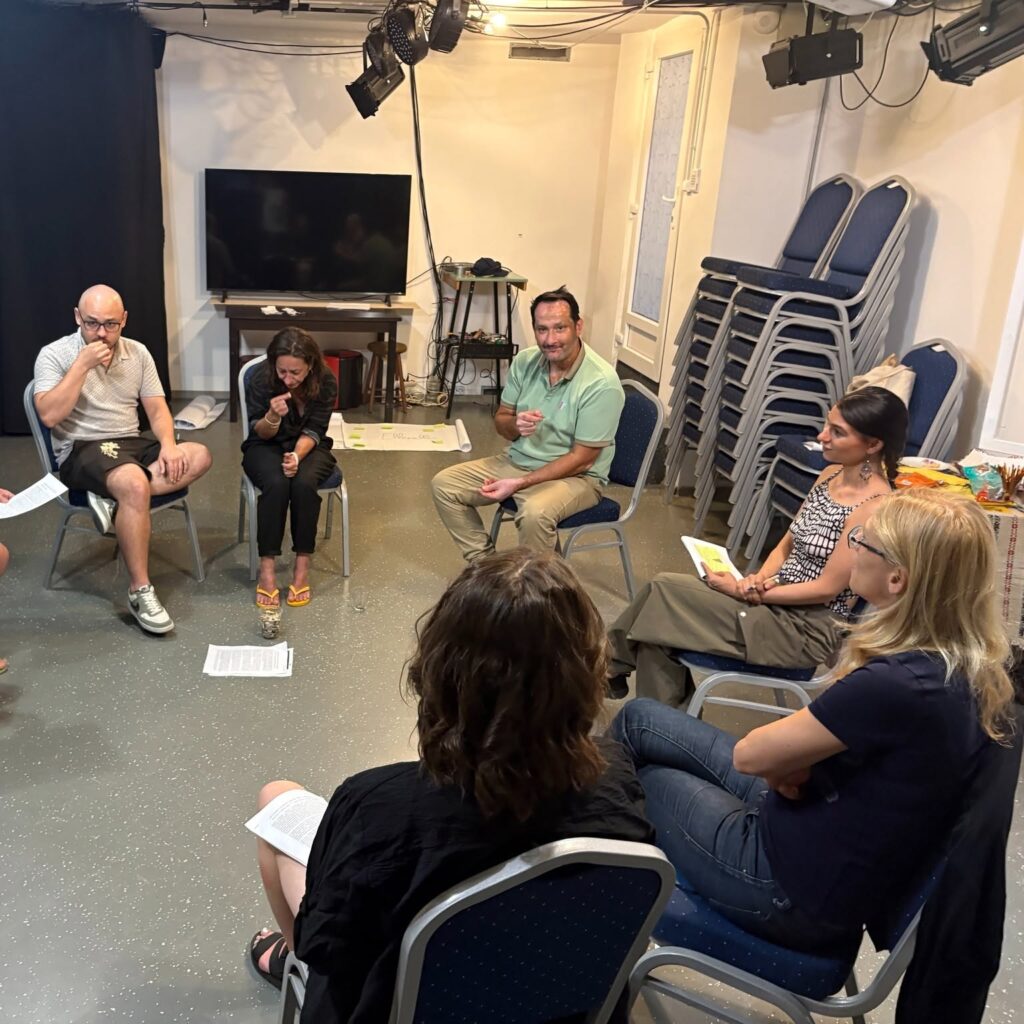
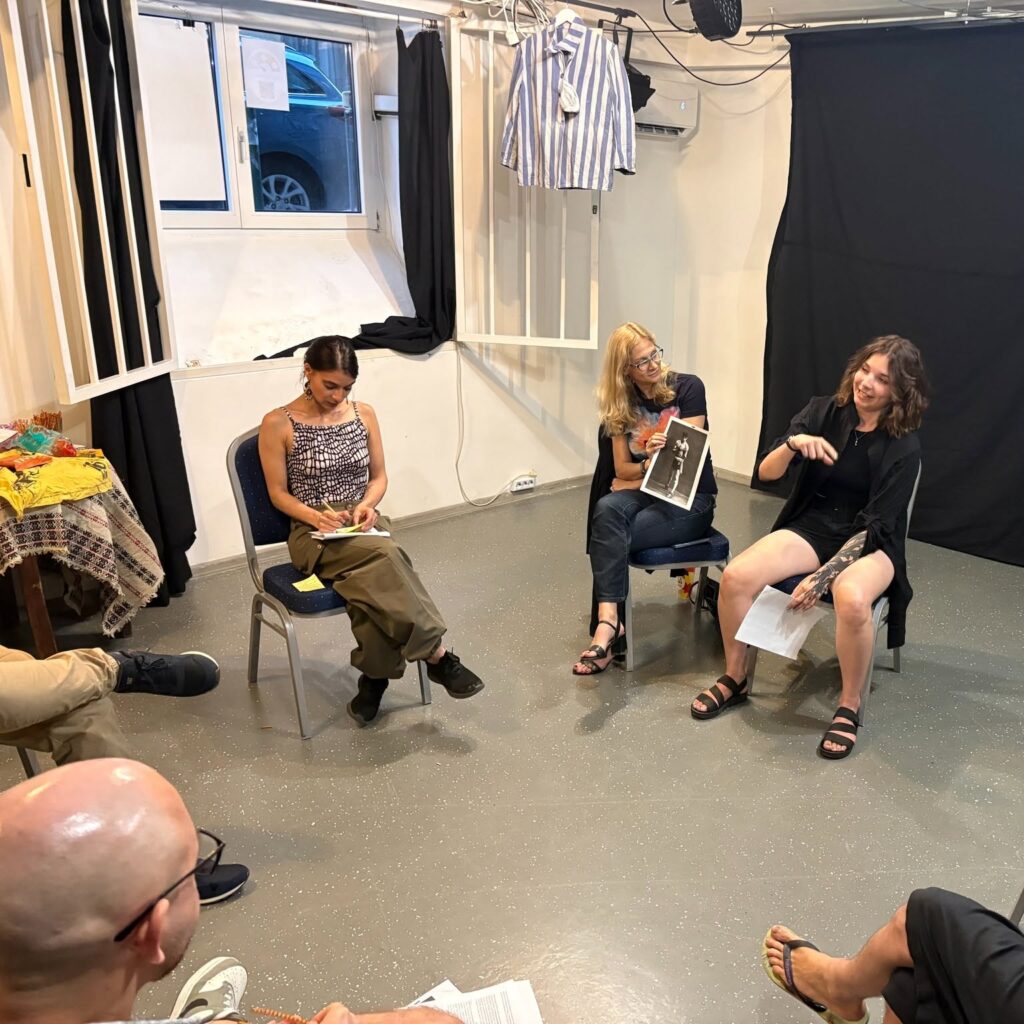
The Belgian campaign placed strong emphasis on artistic direction, visual storytelling and creative interpretation. Historical knowledge, testimonies and audiovisual material were used as the basis for participatory experiences exploring themes such as memory, identity, persecution, resilience and dignity.
An important added dimension was the connection of the campaign with the New European Bauhaus Festival. This enabled ROMDIEM to bring Roma Holocaust remembrance into a wider European cultural environment concerned with inclusion, creativity, participation and social transformation.
By positioning Roma remembrance within this broader context, the campaign reinforced one of the core messages of ROMDIEM: Roma history is part of European history, and its recognition is essential to building a more inclusive understanding of Europe’s cultural and social identity.
Hungary: Festival-Based Workshops and Roma Resistance
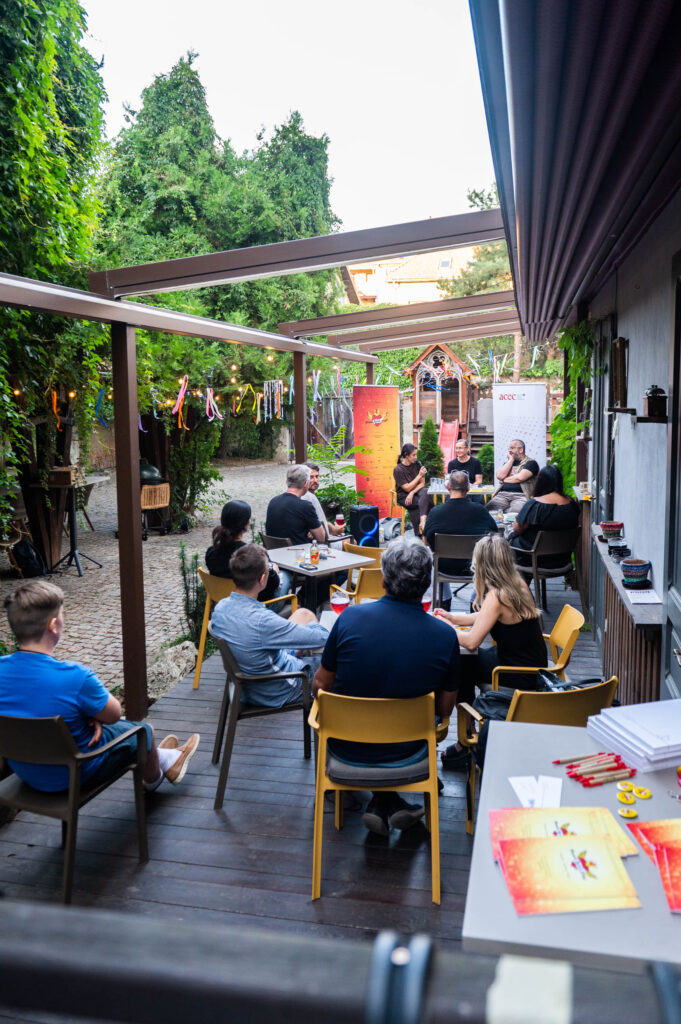
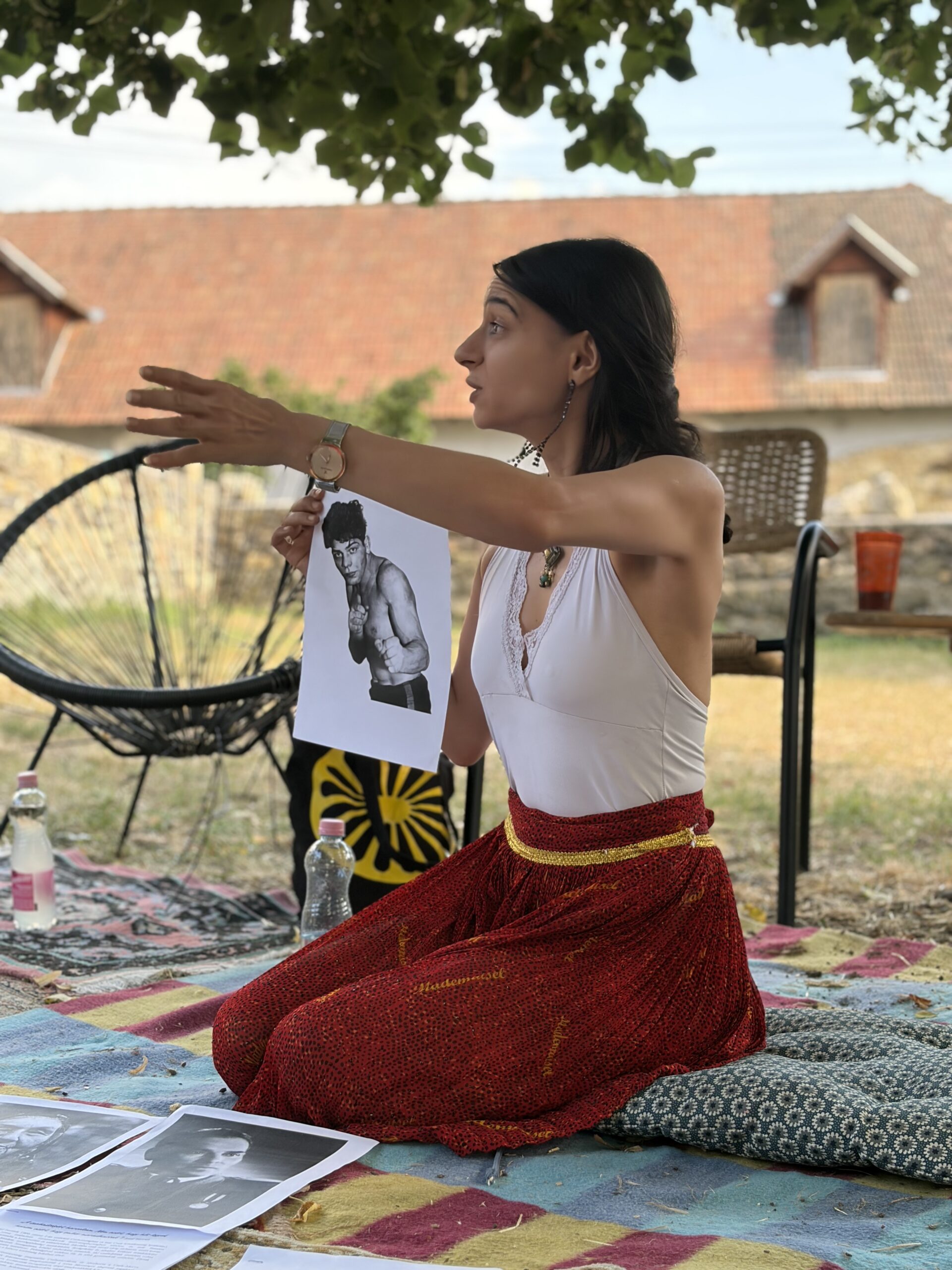
In Hungary, the Women for the Future Association implemented six campaign days on 28 July and 2, 3, 6, 7 and 8 August 2026. The activities consisted of three workshops and three project-introduction events connected mainly with the Művészetek Völgye Festival and Ördögkatlan Festival, reaching 61 participants.
A new workshop methodology was developed and tested during the campaign, receiving positive feedback from participants. The activities also highlighted the importance of civilian resistance and Roma heroes during the Second World War, drawing attention to stories that often remain underrepresented in mainstream historical narratives.
By taking ROMDIEM into major cultural environments, the Hungarian campaign successfully reached audiences who might not normally participate in activities specifically dedicated to Roma Holocaust remembrance.
Italy: Five Campaign Days Across Isernia, Campobasso and Rome
In Italy, ROWNI – Roma Women Network Italy APS organised five campaign days between 19 and 25 August 2026 in Isernia, Campobasso and Rome, directly engaging 49 participants, including 42 women and 7 men.
The activities focused on the Roma Holocaust, remembrance, human rights, non-discrimination and the contemporary relevance of antigypsyism. They combined awareness-raising and educational activities with community discussion and stakeholder engagement.
Particular emphasis was placed on increasing the visibility of Roma historical experiences and creating spaces in which Roma voices could be heard and discussed within a wider human-rights context. The campaign also contributed to dialogue between Roma and non-Roma participants and encouraged reflection on the links between historical persecution and contemporary stereotypes and discrimination.
Slovakia: “A History Lesson We Are All Missing”
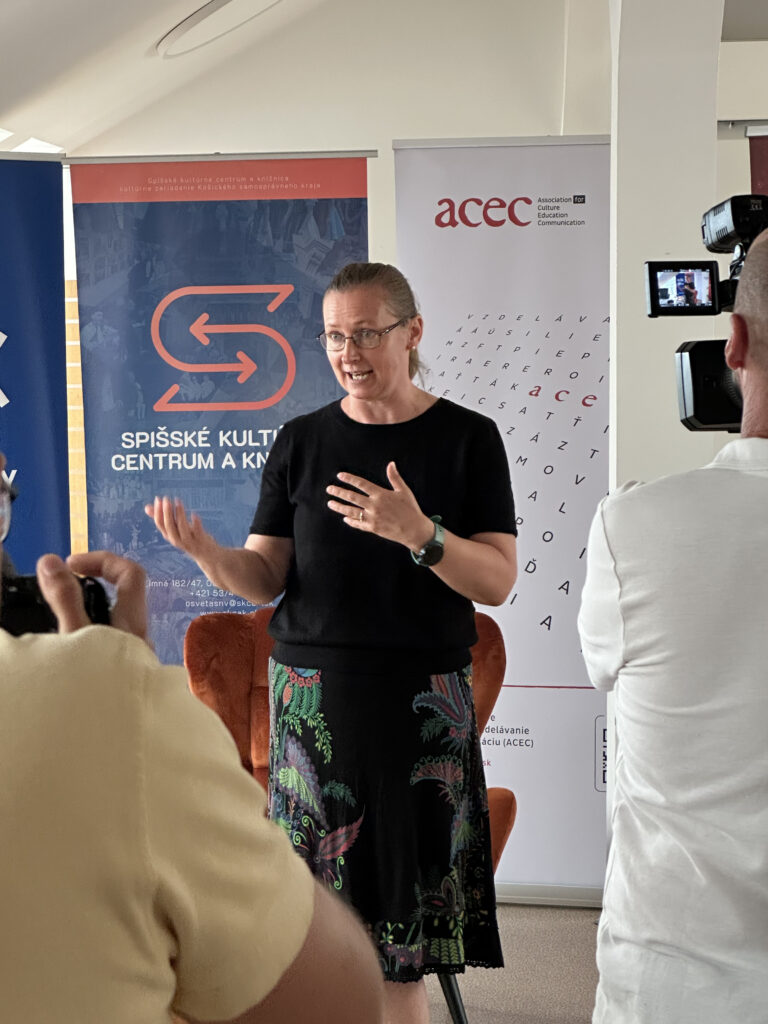
In Slovakia, ACEC – Association for Culture, Education and Communication implemented a national series of activities around International Roma Holocaust Remembrance Day, combining one exhibition with four expert-led public discussions.
The campaign began on 2 August 2026 at the Holocaust Museum in Sered’ with the exhibition “Krehké spomienky” (“Fragile Memories”), organised in cooperation with the Plenipotentiary of the Slovak Republic for Roma Communities. The exhibition presented photographs by Barbora Haviarová together with authentic testimonies from 24 Roma seniors, documenting childhood memories and experiences during and after the Second World War.
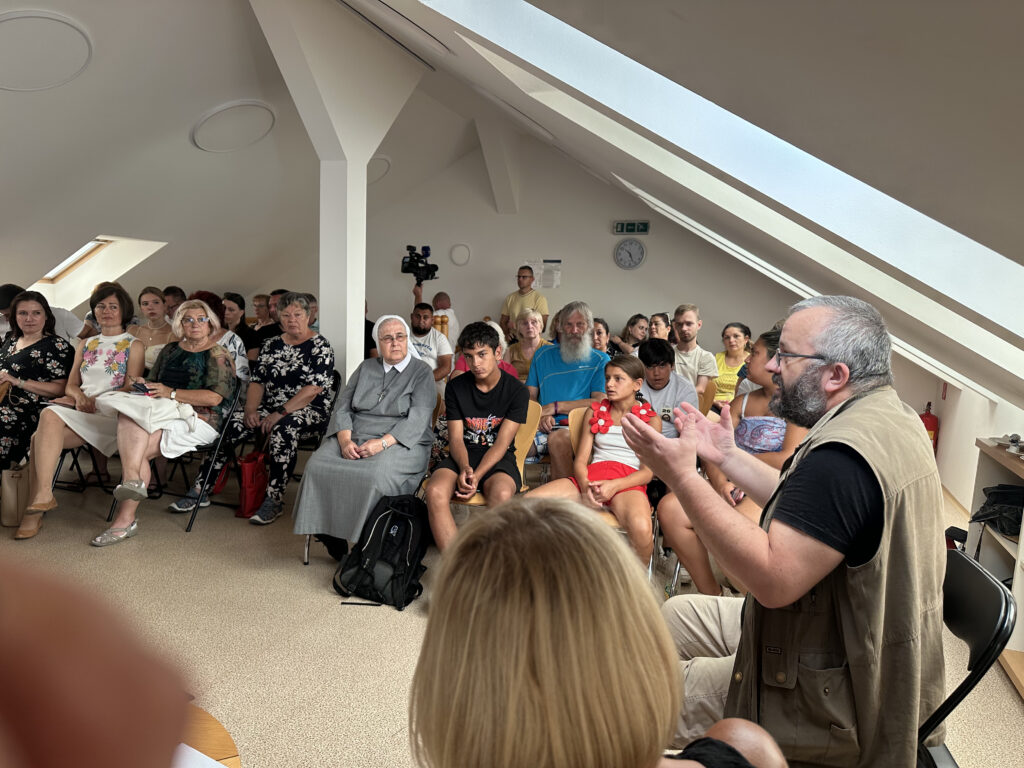
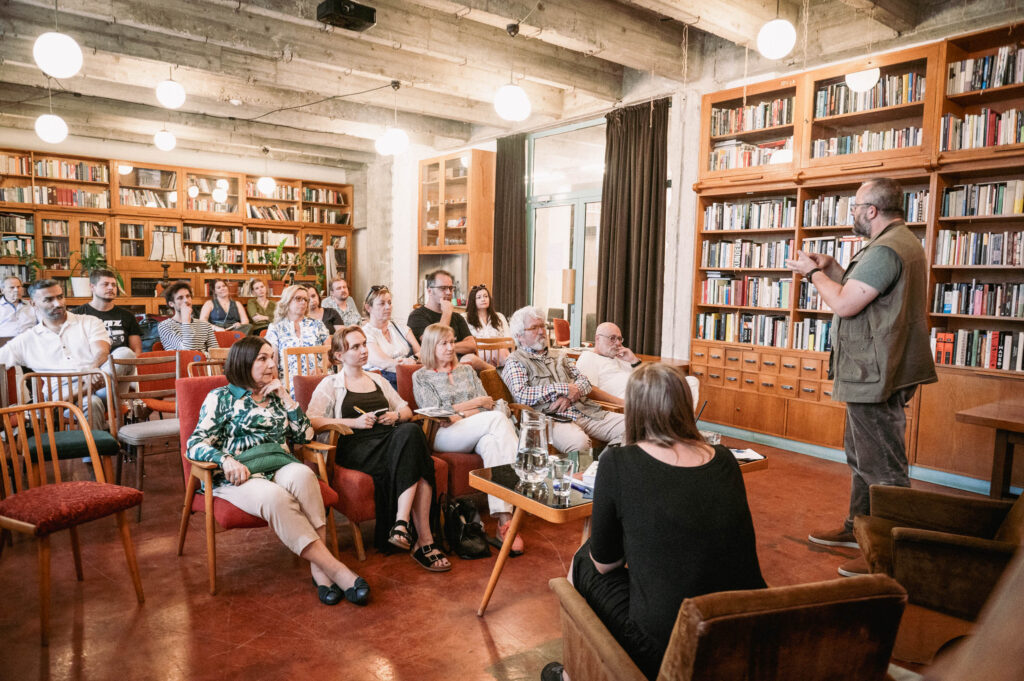
The subsequent public discussions, entitled “A History Lesson We Are All Missing”, took place in Vranov nad Topľou, Spišská Nová Ves, Košice and Bratislava.
The discussions featured leading experts, including Roma Holocaust researcher Lucia Segľová Mušinková and ethnologist/anthropologist Alexander Mušinka, and examined the historical context, systemic causes of persecution and the experiences of Roma victims during the Second World War. Interactive Q&A sessions enabled participants to engage directly with the experts and reflect on the wider relevance of this history.
The Slovak campaign reached more than 60 direct participants and successfully combined expert knowledge, testimony, photography and public dialogue.
Serbia: From Documentary Screening to Community Reflection
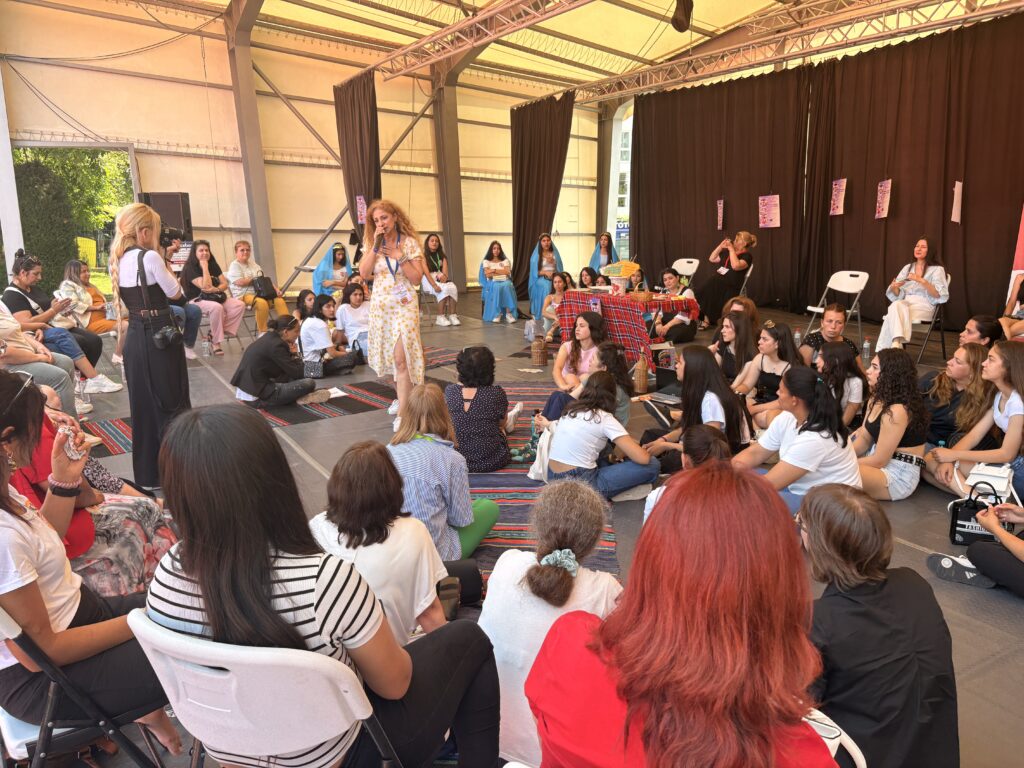
In Serbia, Romnji Srbija implemented five consecutive campaign activities from 24 to 28 August 2026, with approximately four hours of activities each day and around 20 hours of engagement in total.
The programme included a ROMDIEM documentary screening and community dialogue, a roundtable on memory, discrimination and civic responsibility, a youth workshop on stereotypes, human rights and inclusion, a panel discussion on Roma voices and testimonies, and a final reflection and recommendations workshop.
The campaign directly involved 45 participants, including Roma and non-Roma community members, young people, students, educators, youth workers, civil society representatives, activists, community mediators, cultural practitioners and local stakeholders.
Participants were encouraged to reflect on authentic Roma voices and family memories, respectful terminology, historical contextualisation and the importance of linking remembrance with contemporary discrimination and human rights. The campaign also generated concrete recommendations for the future educational and community use of the ROMDIEM documentary.
A Common European Campaign with Local Meaning
Across all seven countries, ROMDIEM WP5 demonstrated that remembrance can be approached through many complementary methods. A festival-based workshop, an expert discussion, an artistic intervention, a documentary screening or a community dialogue may look different in practice, but each can contribute to the same wider goal: making Roma Holocaust history more visible, accessible and relevant.
The campaigns deliberately targeted both Roma and non-Roma audiences. Participants included young people, students, educators, researchers, artists, civil society representatives, community actors, cultural professionals and members of the general public.
The participation figures also demonstrate the strong outreach achieved. Across the seven partner countries, the campaign directly engaged more than 350 participants, exceeding the WP5 target of 280 participants.
Beyond numbers, however, the value of the campaign lies in the quality of engagement. Participants were invited to listen to testimonies, encounter personal histories, watch documentary material, engage in creative activities, discuss difficult historical questions and reflect on the relevance of remembrance to contemporary European society.
From Remembrance to Action
The ROMDIEM Campaign was designed around the understanding that remembrance is not only about preserving knowledge of the past.
Remembering the Roma Holocaust also means recognising the mechanisms of prejudice, dehumanisation, exclusion and discrimination that made persecution possible. It means ensuring that Roma histories are not marginalised within European collective memory. And it means creating opportunities for communities today to discuss how stereotypes and antigypsyism can be challenged.
Through the implementation of WP5, the ROMDIEM consortium transformed its accumulated research, testimonies, documentary work and educational results into living public experiences across Europe.
The campaign showed that remembrance can be educational, artistic, community-based and participatory at the same time. Most importantly, it demonstrated that the memory of the Roma Holocaust can serve not only as a historical responsibility, but also as a foundation for dialogue, equality, solidarity, human rights and active opposition to discrimination.
ROMDIEM – Illuminating the Forgotten Stories of the Roma Holocaust continues to work towards ensuring that these stories are remembered, shared and recognised as part of Europe’s common history.